

A wave of recent studies on the hidden dangers of gas stoves has set off widespread alarm, and the impact on housewives—the group that spends the most time in the kitchen—is finally coming to light, raising serious concerns about their health and appearance.
Research from Stanford University landed like a bombshell in the calm waters of public opinion. The study found that when the range hood is not turned on, just one hour of cooking on a gas stove can push indoor nitrogen-dioxide (NO₂) levels past safe limits, and these elevated concentrations can linger for two to three hours after the burner is switched off. Small homes face the greatest risk. In an eight-hour monitoring campaign covering 87 households, researchers also discovered that gas combustion releases benzene at levels even higher than second-hand cigarette smoke. After only 45 minutes of continuous use, benzene concentrations in the kitchen exceeded safety thresholds and remained elevated for hours. Benzene is a Group 1 carcinogen. A separate study published in the National Academy of Sciences’ flagship journal PNAS Nexus revealed that cooking with propane-fueled gas stoves emits large quantities of atmospheric nano-cluster aerosols (NCA). Once inhaled, these ultrafine particles deposit heavily in the respiratory tract, can enter the bloodstream, and may reach organs such as the liver and brain—posing a systemic health threat and potentially triggering whole-body illnesses.

For housewives, who are often the primary cooks in their families, daily long-term exposure to this kitchen environment is almost inevitable. Continuous inhalation of these toxic gases gradually damages multiple organ systems. The skin—the body’s largest organ—bears the first brunt: harmful compounds can disrupt normal metabolism, accelerate aging, and leave skin dull, rough, loose, and prematurely wrinkled. The immune system also suffers, increasing susceptibility to disease and further eroding overall health and mental well-being.
Mrs. Zhang is a telling example. After thirty years as a full-time homemaker, she has prepared countless meals for her family on a gas stove. In recent years she has noticed her health declining and her complexion deteriorating. Upon learning about these new findings, she lamented, “All these years I’ve been unknowingly harming myself while trying to care for my loved ones.”
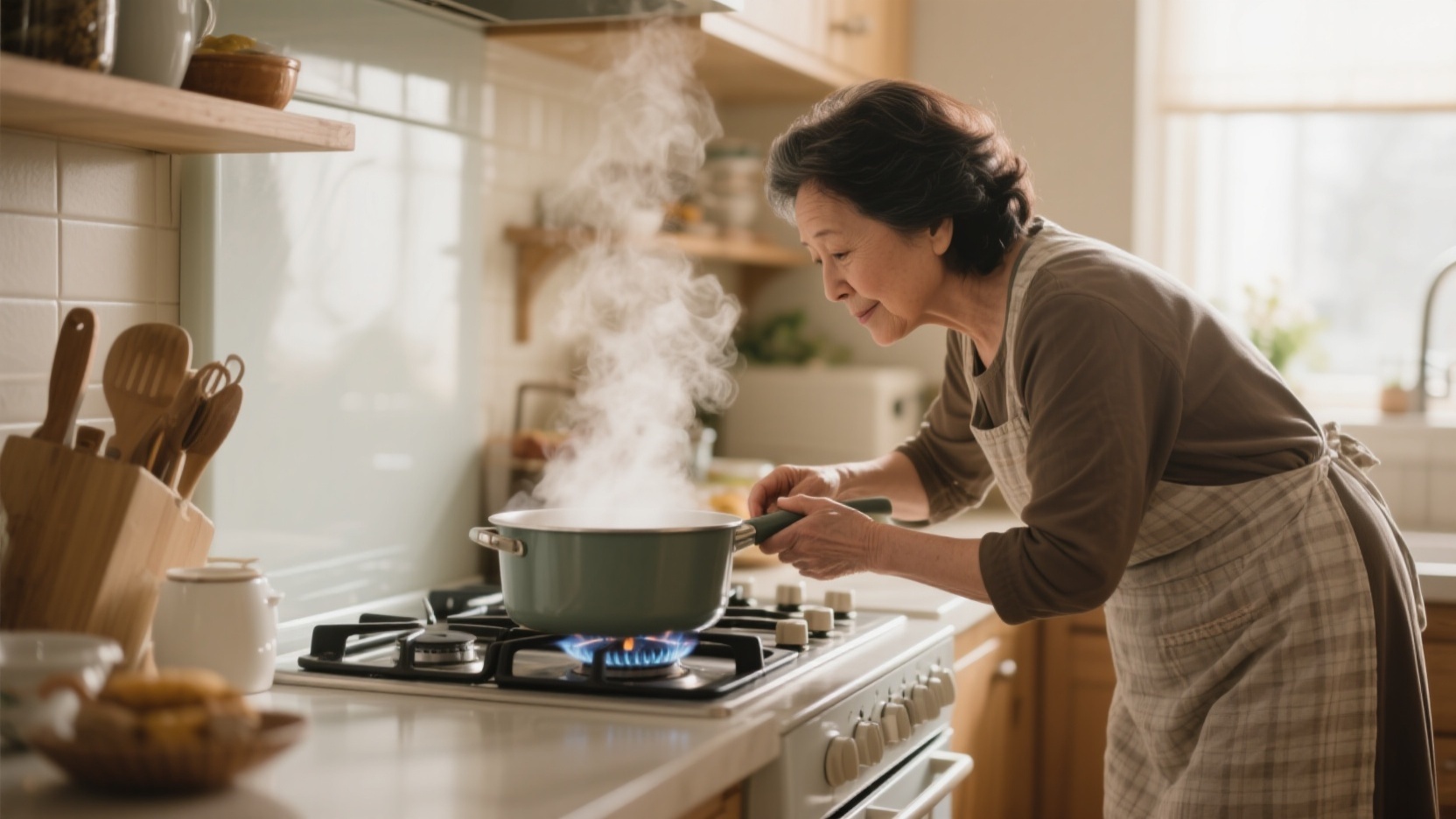
To reduce these risks, experts advise housewives to
- Keep kitchen windows wide open while cooking to maximize cross-ventilation and expel pollutants quickly; continue ventilating for a while after cooking is finished.
- Switch on the range hood before lighting the burner and set it to its highest speed.
- Avoid deep-frying whenever possible to cut down on oily fumes; rotate between gas stoves, induction cooktops, and air fryers to lower overall gas usage.
- Clean the stovetop regularly to prevent residue buildup that can increase harmful emissions.
Housewives pour love into every dish they prepare, yet they silently shoulder the health risks posed by gas stoves. Society must give them greater attention and protection—developing safer, greener kitchen appliances so that those who create culinary magic can also preserve their health and beauty.
Post time: Jul-15-2025